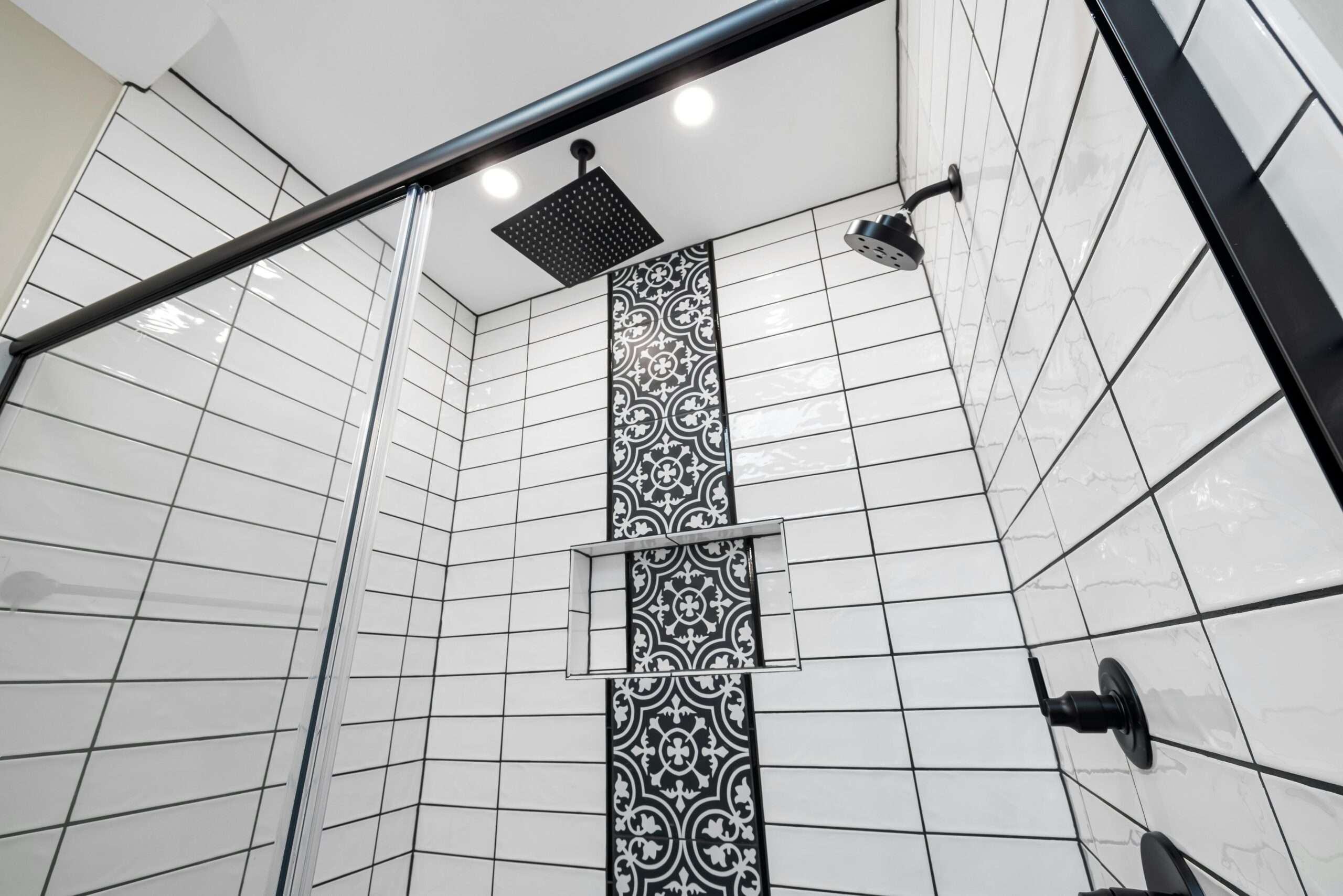
Converting a tub into a shower sounds simple on paper. Pull out the old tub, open up the space, install a sleek new shower, and enjoy the upgrade.
But anyone who’s been through a bathroom remodel knows it’s rarely that straightforward. A tub-to-shower conversion changes more than just how the room looks. It affects plumbing, waterproofing, floor structure, ventilation, and long-term performance. Get it right, and you’ll have a walk-in shower that feels spacious, modern, and easy to clean. Get it wrong, and you could be dealing with leaks, mold, and mildew, or costly repairs down the line.
If you’re planning a tub to shower conversion project, here are the most important mistakes to avoid—and how to avoid common mistakes that can derail your remodel.
Failing to Evaluate the Existing Tub Space and Structural Conditions
Before anyone swings a hammer, the existing tub area needs a close look.
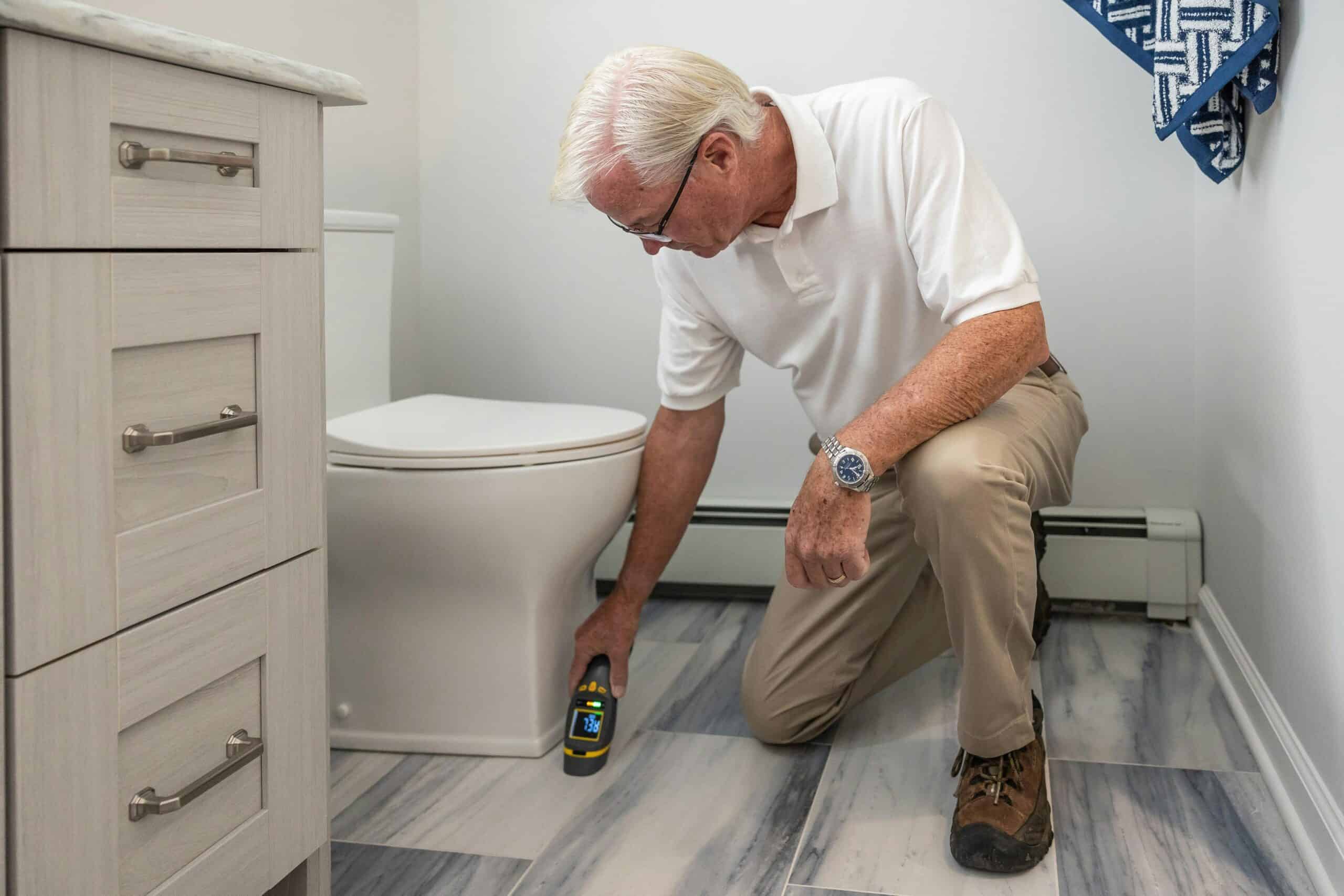
When an old tub or existing bathtub is removed, it often reveals what’s been hiding behind it for years. Minor leaks around the faucet or wall surround may have gone unnoticed. Subflooring beneath the tub space could be soft from long-term moisture exposure. Sometimes the stud framing behind the walls tells the real story.
One of the most common bathtub remodeling mistakes is assuming everything behind the old tub is perfectly sound. A professional bathroom remodel should include a structural check of the bathroom floor, framing, and surrounding walls. If any water damage is present, it needs to be corrected before the new shower goes in.
The height of your tub and the dimensions of the tub area also matter more than people think. Those measurements influence the slope of the new shower floor and the layout of the wall surround. Skip this step, and the entire conversion project can feel slightly “off” once it’s complete.
Overlooking Proper Waterproofing and Moisture Control
Here’s the truth: showers are far more demanding than a bathtub when it comes to moisture control.
A bathtub contains water. A shower sprays it everywhere. That means every surface in the shower area is regularly exposed to water. Without a properly installed waterproof system, even a small oversight can lead to leaks.
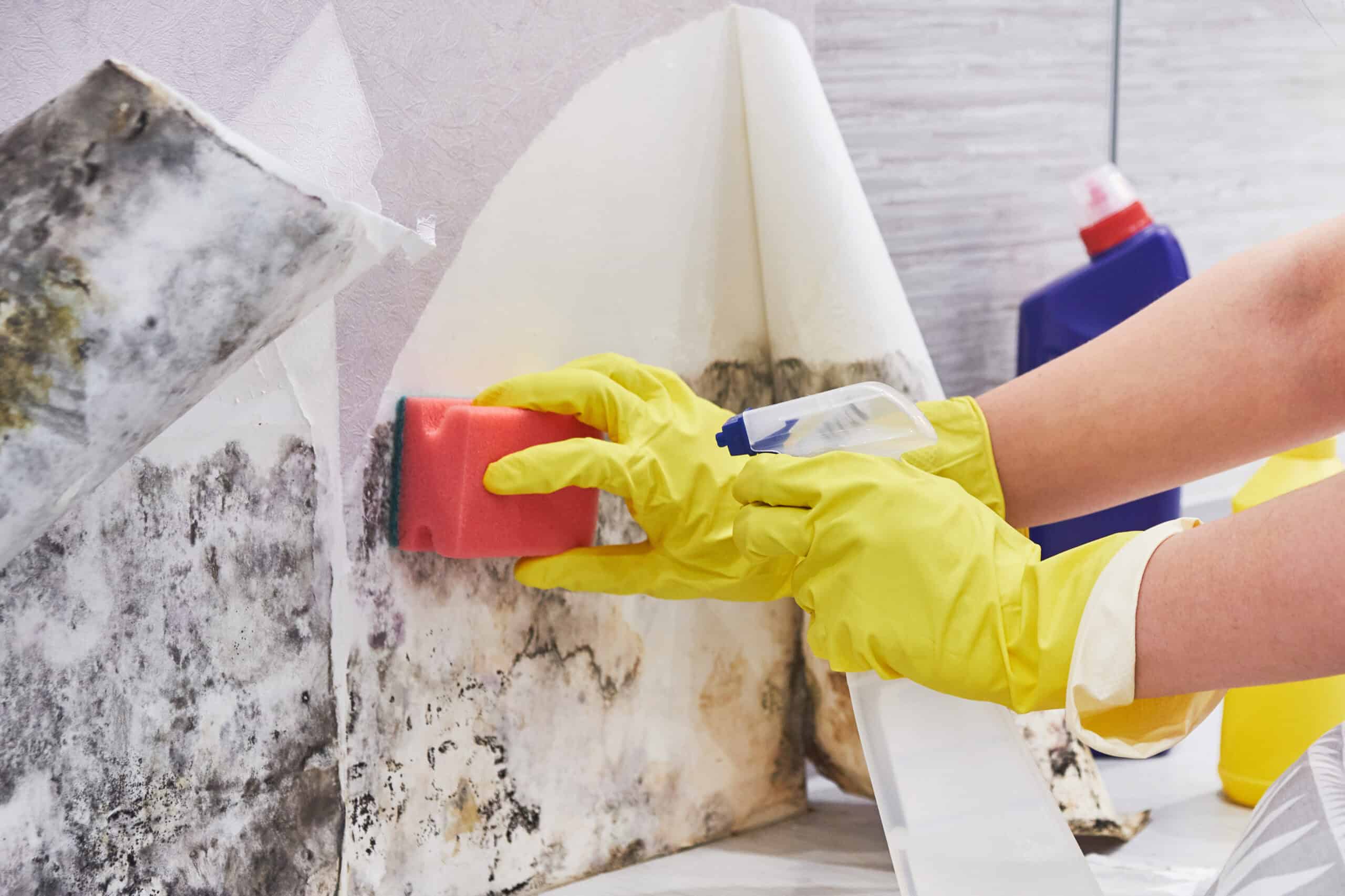
Waterproofing should extend behind the tile, around plumbing penetrations, and across the entire shower pan. It’s not just about what you see. It’s about what you don’t see. Improper sealing can lead to mold and mildew forming behind shower walls, which can eventually lead to mold spreading into the framing.
Over time, that can result in significant water damage. And once water gets into the wall cavity, repairs are rarely simple.
A well-executed tub-to-shower conversion project includes a complete waterproof barrier system designed to prevent water intrusion—not just decorative finishes.
Ignoring Drain Placement and Plumbing Adjustments
Drain placement is one of the most underestimated details in tub-to-shower conversions.
In many cases, the drain in an existing tub sits at one end. Showers typically function best with more centralized drainage. If the drain placement isn’t addressed properly, you could end up with poor drainage or standing water on the shower floor.
That’s where plumbing adjustments come in. The shower pan must be sloped precisely to direct water toward the drain. If it isn’t properly plumbed and leveled, you risk ongoing drainage issues that may eventually lead to leaks.
This is also the time to rethink fixture placement. Shower fixtures, including showerheads and control valves, should be positioned for comfort and usability. The new shower shouldn’t feel like a compromise—it should feel like an upgrade.
Handling these technical elements correctly helps ensure a smooth transition from bathtub to new shower.
Choosing the Wrong Materials and Fixtures
It’s easy to fall in love with a tile sample under showroom lighting. But not every material is suited for a high-moisture shower remodel.
One of the biggest conversion mistakes to avoid is skimping on quality materials and fixtures. Surfaces exposed to water daily must be durable, mold-resistant, and easy to clean. Slip-resistant materials are especially important for the shower floor and the surrounding bathroom floor.
Some homeowners focus heavily on aesthetics but forget long-term performance. Porous materials can trap moisture and mildew. Low-quality hardware may corrode. Cheap components can fail prematurely.
Your shower design should balance style with practicality. From the wall surround to the shower pan, every material should be selected with durability in mind. A well-designed walk-in shower doesn’t just look good on day one—it still looks good years later.
Neglecting Accessibility, Comfort, and Long-Term Use
Many homeowners pursue a tub to shower conversion for accessibility reasons. Others simply want a more modern layout. Either way, thinking long term is critical.
A walk-in shower with a low threshold improves accessibility immediately. Adding grab bars or a built-in shower seat enhances comfort and safety without sacrificing design. These features aren’t just for aging homeowners; they’re smart planning for anyone who wants flexibility.
Overlooking these details is one of the common mistakes seen in a bath remodel. A thoughtfully designed shower conversion can increase both convenience and resale appeal.
When done right, tub-to-shower conversions combine aesthetics with real-world functionality. They support changing mobility needs while still delivering a polished finish.

Skimping on Professional Expertise and Installation Quality
DIY videos make everything look easy. In reality, a tub-to-shower conversion project is a technical renovation that requires coordination across multiple trades.
Improper installation is one of the most expensive mistakes to avoid in tub-to-shower projects. An inexperienced contractor may overlook waterproof detailing, miscalculate the slope of the shower floor, or fail to secure plumbing connections properly. Any of those issues can lead to leaks later.
Working with experienced professionals reduces the risk of conversion mistakes and protects your investment.
For homeowners in northeastern Oklahoma, Reeves Remodeling is known for specialized tub-to-shower conversions and shower conversion services. The veteran-owned company offers free in-home consultations, personalized design planning, and professional installation. Their team handles everything from bathtub replacement and custom vanities to flooring and cabinetry, often completing a professional bathroom renovation in as little as one to two days. They also provide ADA-compliant solutions for homeowners focused on accessibility.
Partnering with a trusted bathroom remodeling contractor ensures the work is done correctly the first time.
Forgetting Ventilation and Airflow Requirements
Ventilation rarely tops anyone’s list of exciting design ideas—but it should.
Without adequate ventilation, moisture lingers long after a shower ends. Over time, that trapped humidity can lead to mold and mildew growth, peeling finishes, and persistent odors. In severe cases, it can even contribute to water damage in adjacent areas.
A properly sized exhaust fan is essential in any bathroom remodel. Good airflow protects surfaces, reduces condensation, and extends the life of your shower walls, materials, and fixtures.
Skipping ventilation upgrades during a tub-to-shower conversion may not cause immediate problems—but it can quietly shorten the lifespan of your renovation.
Ready to Upgrade Your Tub the Right Way?
A tub-to-shower conversion isn’t just a cosmetic remodel. It’s a structural and functional upgrade that impacts how your bathroom performs every day.
Avoiding common mistakes, like improper waterproofing, poor drainage, or skimping on quality, makes all the difference between a quick refresh and a lasting improvement.
If you’re planning a tub-to-shower conversion project or considering a bathtub replacement, work with a remodeling contractor who understands the technical details behind a seamless installation. The right team will help you design a new shower that fits your space, supports comfort and safety, and stands up to daily use.
Your dream bathroom starts with smart planning. Make sure your conversion project is built to last.