Choosing the right bathroom cabinet sounds simple at first. Then you start looking at materials, finishes, moisture resistance, pricing, and maintenance, and suddenly the decision gets a lot more complicated. Bathrooms deal with constant humidity, temperature swings, water splashes, and heavy daily use, so the cabinet material you choose really matters.
Some homeowners love the timeless character of solid wood bathroom vanities. Others prefer the low-maintenance convenience of plastic or thermofoil cabinetry. Both options have strengths, and both come with trade-offs that are worth understanding before starting a remodel.
The truth is, the best material for bathroom cabinets depends on your space, your budget, and how your bathroom actually gets used day to day. A busy family bathroom has very different needs than a guest bath that rarely sees steam or standing water.
For homeowners in northeastern Oklahoma, Reeves Remodeling has become a trusted name for customized bathroom renovations. The veteran-owned company specializes in bathroom cabinetry, custom vanities, tub and shower conversions, flooring, and ADA-compliant upgrades, helping homeowners create stylish, functional spaces that hold up well over time.
Understanding Bathroom Cabinet Materials
Not all bathroom cabinet materials are built the same, especially once moisture enters the picture. Steam from hot showers, poor airflow, and everyday bathroom use can slowly wear down certain materials if they aren’t designed for humid environments.
Wood-based cabinetry usually includes solid wood, plywood, MDF, particle board, and other engineered wood products. Plastic-based options often include PVC, thermofoil, laminate, melamine cabinets, or resin-coated materials.
Each material behaves differently in bathroom environments. Some resist water absorption well, while others can warp or swell over time if exposed to repeated moisture or standing water.
That’s why homeowners shouldn’t choose a bathroom cabinet based on appearance alone. The structure underneath the finish matters just as much as the visible design.
The Benefits of Wood Bathroom Cabinets
There’s a reason wood cabinets have stayed popular for decades. They bring warmth, texture, and character into a bathroom in a way that synthetic materials often can’t fully replicate.
Solid wood bathroom vanities feel substantial. They look refined, age gracefully, and work with almost any style, from rustic farmhouse spaces to sleek contemporary interiors.
Natural Beauty and Customization
One of the biggest advantages of natural wood is its versatility. You can stain it dark, paint it bright white, or keep the wood grain visible for a more organic look. Real wood also offers more design flexibility if you want custom bathroom cabinetry or a one-of-a-kind wood vanity.
Wood species matter more than many people realize. Maple, for example, remains a popular choice for bathroom cabinetry because it’s durable, dense, and handles humidity better than softer woods. Certain hardwood or softwood options react differently depending on the finish and the specific bathroom conditions.
Solid wood cabinets also give homeowners the ability to refinish surfaces later. Minor scratch marks, worn stains, or cosmetic damage can usually be repaired instead of replacing the entire cabinet.
Strong Structural Performance
When properly sealed and maintained, solid wood cabinets can last for many years. That’s especially true when paired with plywood cabinet boxes instead of lower-grade particle board.
Plywood cabinets are made from layered wood veneers bonded together with adhesive under pressure. This construction gives plywood good moisture resistance while helping it resist warping better than cheaper engineered wood alternatives.
Many high-end bathroom vanities combine plywood construction with hardwood cabinet doors for a balance of durability and appearance.
The Downsides of Wood in Humid Bathrooms
As beautiful as wood bathroom cabinetry looks, it does require more upkeep than plastic alternatives.
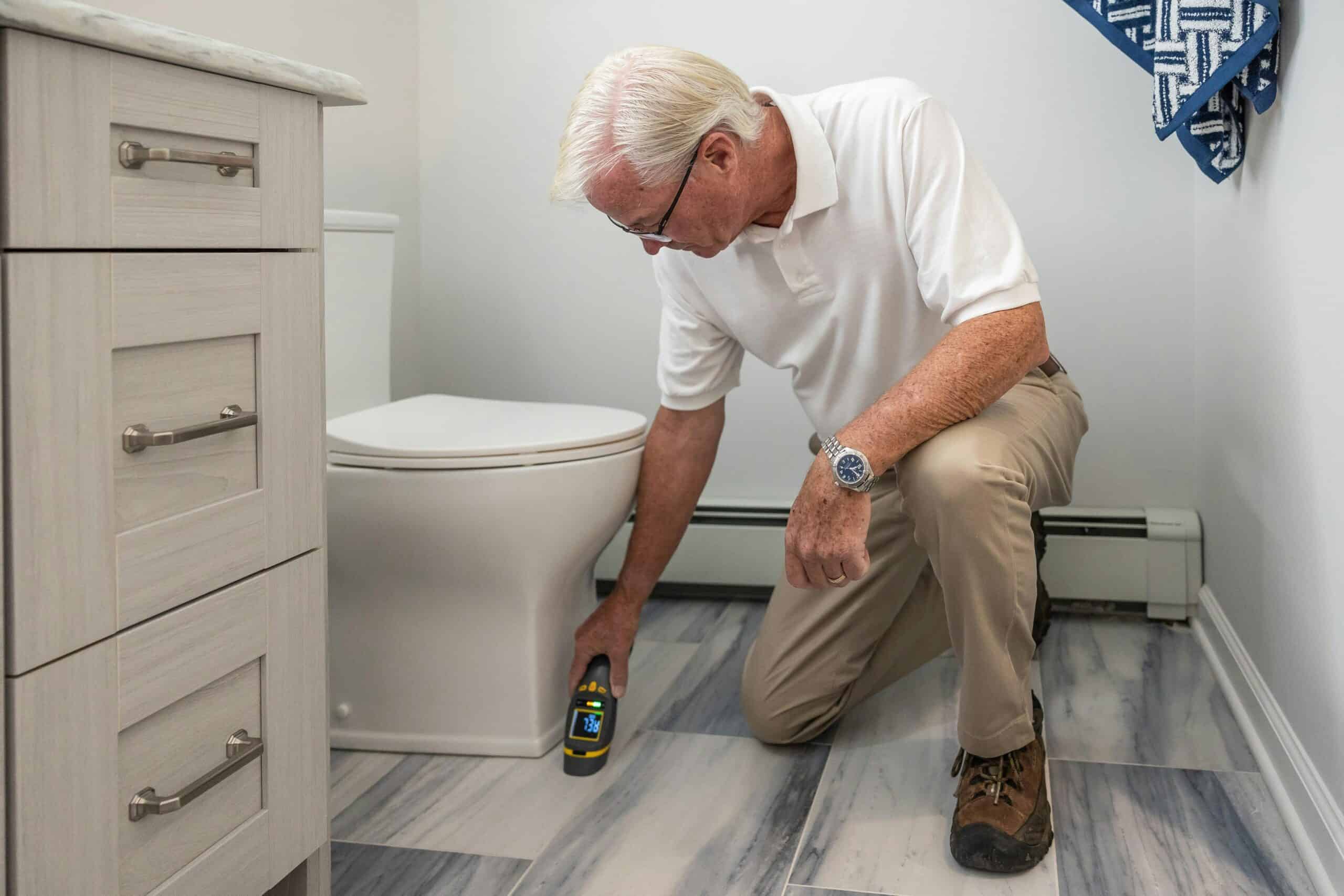
Humidity is one of the biggest concerns. Bathrooms naturally create moisture, and over time, that moisture can affect even high-quality solid wood if ventilation isn’t adequate.
Without proper ventilation, wood fibers expand and contract repeatedly. Eventually, that movement may lead to warp issues, joint separation, or small cracks around cabinet doors and edges.
Moisture Can Become a Long-Term Problem
No wooden bathroom cabinet is completely waterproof. Even moisture-resistant finishes can break down if homeowners let water pool around sink bases or vanity legs regularly.
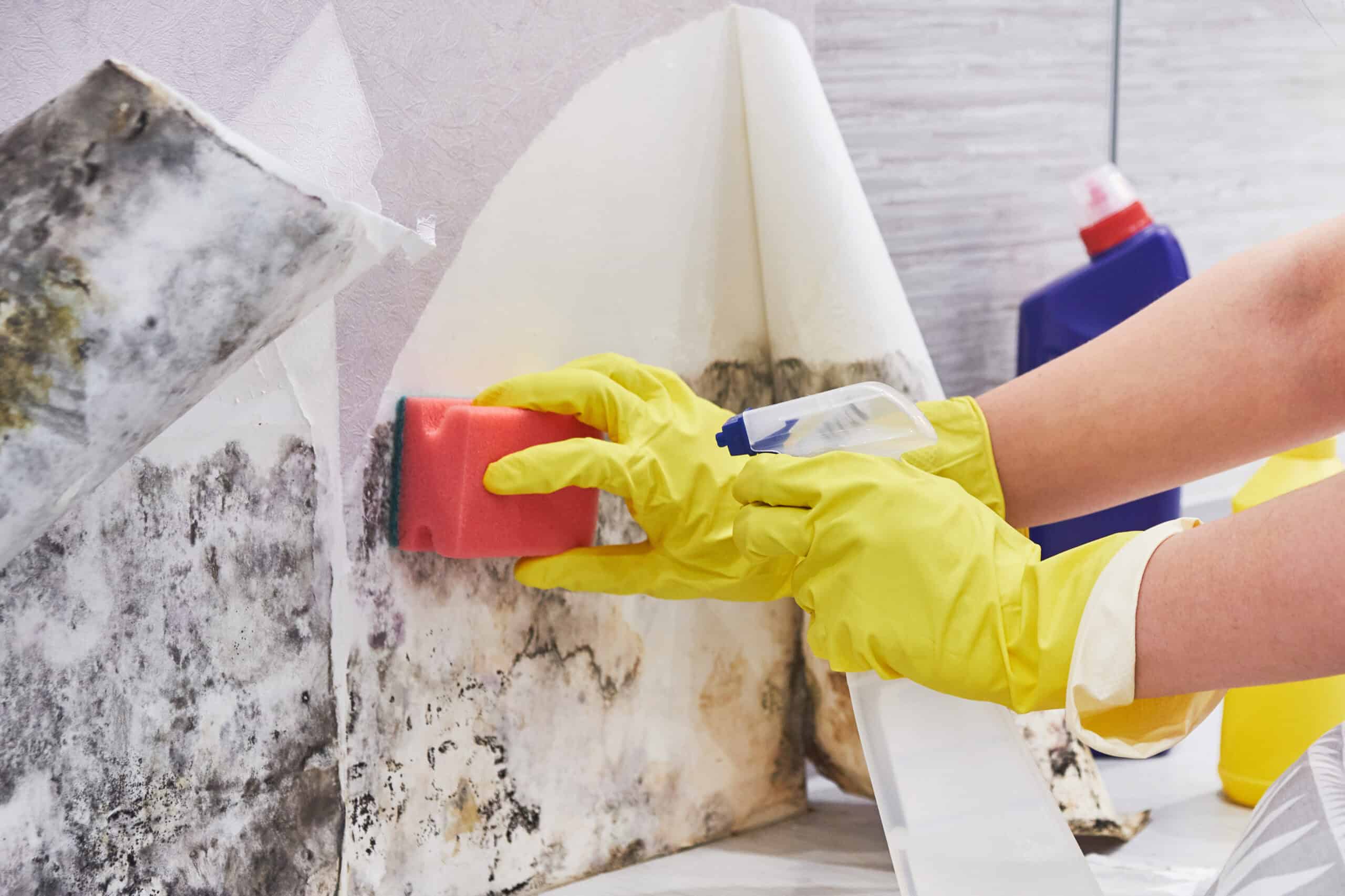
Standing water is especially damaging because it increases water penetration into seams and unfinished edges. Once water contact becomes frequent, swelling and water damage become much more likely.
MDF is another material homeowners should understand before buying bathroom cabinetry. MDF is an engineered wood product made from compressed wood fibers and resin. It creates a smooth surface that works well for painted finishes and thermofoil cabinet doors.
The downside is that MDF is susceptible to warping when exposed to excessive moisture. If the protective surface gets chipped or compromised, the material underneath can swell quickly.
More Maintenance Is Required
Wood cabinets simply need more care. Protective sealants may need occasional touch-ups, and homeowners should wipe away moisture before it has a chance to soak in.
That doesn’t make wood a bad choice for bathroom spaces. It just means homeowners need to be realistic about maintenance and bathroom conditions before investing in premium solid wood bathroom vanities.
Why Plastic Bathroom Cabinets Are Becoming More Popular
Plastic bathroom cabinetry has improved dramatically over the years. Today’s options look far more sophisticated than older plastic cabinets people might remember from decades ago.
Modern thermofoil, laminate, and PVC cabinets can mimic painted wood surprisingly well while offering strong moisture resistance and easier maintenance.
Better Performance in Humid Environments
One major advantage of plastic cabinetry is that it handles humidity better than many traditional wood cabinets. PVC and thermofoil surfaces don’t absorb water the same way natural wood does.
That makes them especially suitable for bathroom environments with frequent steam exposure or heavy daily use.
Thermofoil cabinets use a vinyl-like coating bonded over MDF using heat and pressure. When properly manufactured, thermofoil creates a sleek and modern finish that resists moisture reasonably well.
Laminate and melamine cabinets also perform well in bathrooms because their outer surfaces help block water absorption. Many homeowners choose these materials because they’re cost-effective and easy to clean.
Lower Maintenance and Easy Cleaning
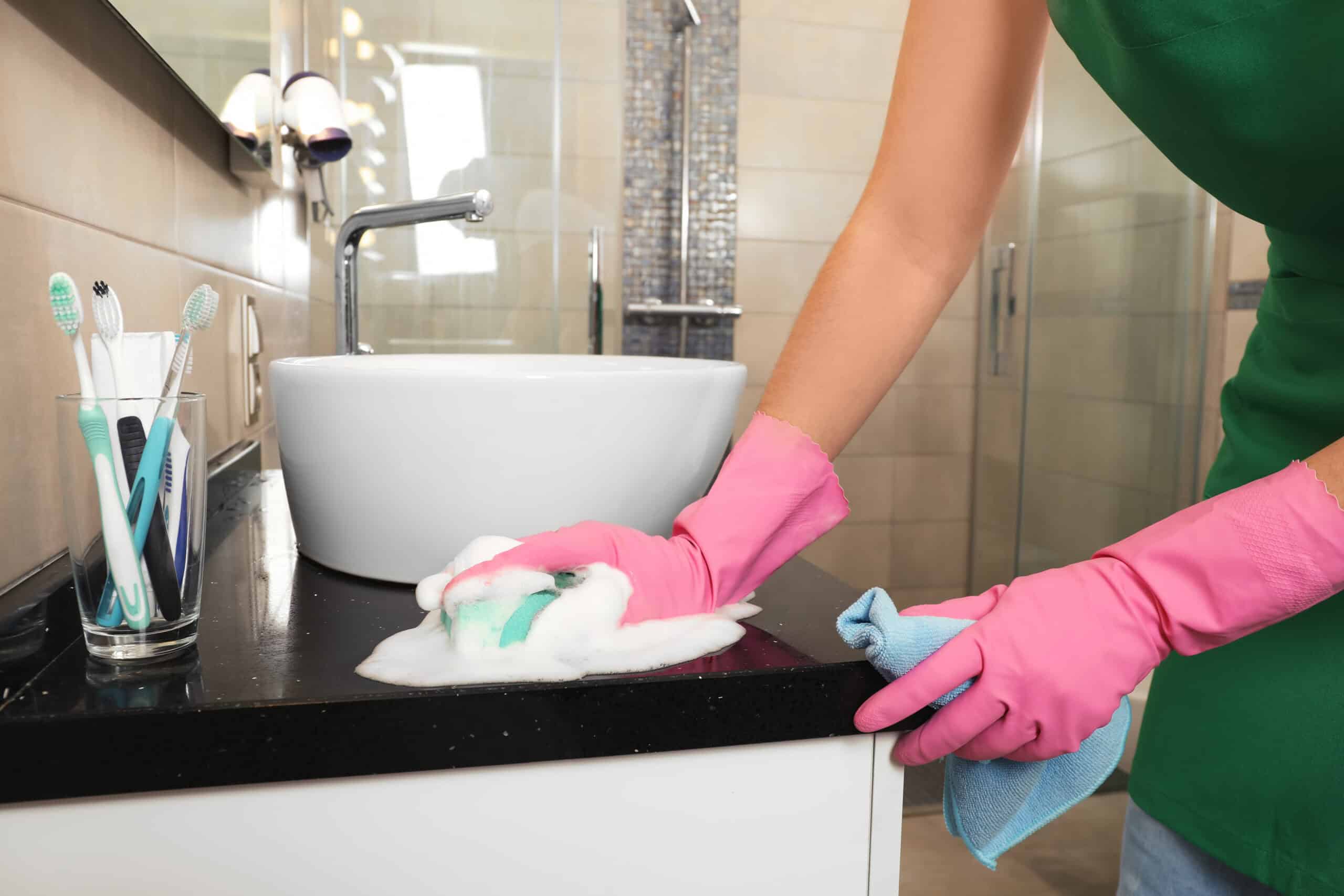
Plastic cabinetry usually requires less maintenance overall. Most surfaces resist stain buildup, clean easily, and don’t require refinishing.
That convenience makes thermofoil and laminate a popular choice for bathroom remodeling projects where practicality matters just as much as appearance.
Still, homeowners should know that not every plastic cabinet is equal. Lower-quality MDF cores beneath damaged laminate or thermofoil can still experience swelling if moisture gets underneath the protective layer.
Durability, Moisture Resistance, and Maintenance Compared
When comparing bathroom cabinet materials, most homeowners care about three things: durability, moisture resistance, and long-term maintenance.
Wood cabinets offer impressive durability and a high-end appearance, but they need more care in humid environments. Properly sealed and maintained hardwood cabinetry can last for decades, especially in bathrooms with good airflow.
Plastic cabinetry performs well when moisture resistance is the top priority. PVC, laminate, and thermofoil materials resist warping better in damp spaces and generally require less upkeep.
That said, premium plywood construction often provides one of the best middle-ground solutions. It gives homeowners the visual appeal of real wood while improving stability in different bathroom conditions.
The best material for bathroom cabinets often comes down to lifestyle. Busy households with heavy daily use may prioritize low maintenance, while homeowners focused on luxury aesthetics may lean toward solid wood cabinets.
Style and Design Differences
Style plays a huge role in any bathroom remodel. Some homeowners want a cozy, classic wood bathroom feel, while others prefer clean modern lines.
The Look of Wood Bathroom Cabinets
Natural wood brings texture and visual warmth into a space. You can see subtle grain variation, color depth, and craftsmanship that synthetic materials sometimes struggle to imitate convincingly.
Wood vanity designs also tend to feel more custom and upscale. Solid wood bathroom vanities pair beautifully with stone countertops, brass hardware, and high-end tile installations.
For homeowners wanting timeless bathroom cabinetry, hardwood remains a very strong option.
The Appeal of Modern Plastic Cabinetry
Plastic cabinets tend to fit modern spaces especially well. Gloss laminate, thermofoil finishes, and minimalist cabinet doors create a sleek and modern appearance that many homeowners love.
These materials are also available in a wide range of colors and textures. Some veneer and laminate finishes even resemble real wood closely enough that most guests wouldn’t notice the difference immediately.
For smaller bathrooms, lighter laminate or PVC finishes can help brighten the room and create a cleaner visual flow.
Cost Comparison Between Wood and Plastic Cabinets
Budget is often the deciding factor in bathroom remodeling projects. Solid wood cabinets usually cost more because hardwood materials and custom craftsmanship require additional labor and finishing work. Custom wood vanity installations can become especially expensive depending on size and design complexity.
Plastic cabinetry tends to be more affordable upfront. Laminate, PVC, and thermofoil systems are generally easier to manufacture and install, which improves affordability for homeowners trying to stay within budget.
Still, cheaper doesn’t always mean better long term. Lower-grade cabinet material may wear out faster, especially if exposed to constant moisture or heavy bathroom use.
That’s why many remodeling professionals recommend balancing cost with performance instead of choosing solely based on price.

Which Material Is Better for Bathroom Renovations?
There isn’t one universal answer because every bathroom functions differently. For upscale remodels focused on elegance and resale value, solid wood cabinets remain one of the most attractive options available. They offer durability and longevity while bringing a more luxurious look to the space.
For bathrooms exposed to high humidity, frequent water contact, or limited ventilation, PVC, laminate, or thermofoil cabinetry may be better for bathroom performance overall.
The smartest approach is choosing materials based on your actual bathroom conditions instead of trends alone.
That’s where experienced remodeling professionals can make a huge difference. Companies like Reeves Remodeling help homeowners evaluate bathroom cabinet materials based on functionality, maintenance expectations, and design goals. Their services include custom vanities, cabinetry, flooring, shower conversions, and complete bathroom remodeling solutions designed around each homeowner’s lifestyle.
Upgrade Your Bathroom With Expert Help
Choosing between wood and plastic bathroom cabinets isn’t just about looks. Moisture resistance, maintenance, durability, and long-term performance all matter, especially in bathrooms that see constant daily use.
Some homeowners prefer the craftsmanship and character of solid wood bathroom vanities. Others want the simplicity and moisture-resistant benefits of laminate, PVC, or thermofoil cabinetry. Both can work beautifully when selected for the right environment.
If you’re planning a bathroom remodel in northeastern Oklahoma, Reeves Remodeling offers personalized design planning, free in-home consultations, and professional installation services tailored to your vision and budget. From modern bathroom vanities to ADA-compliant upgrades and custom cabinetry, their team helps homeowners create functional spaces that look great and hold up over time.
To learn more or schedule a consultation, call (918) 264-8785.