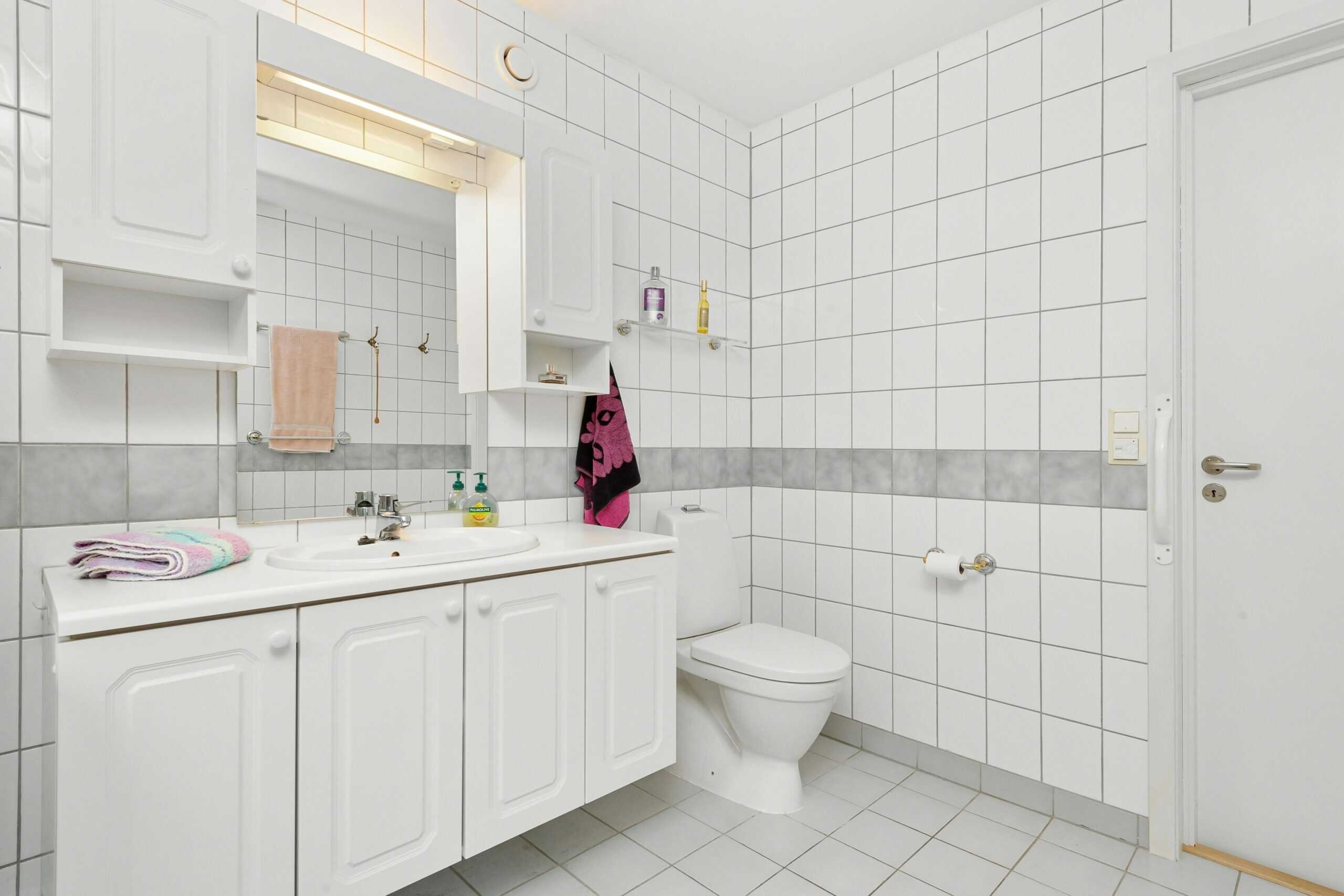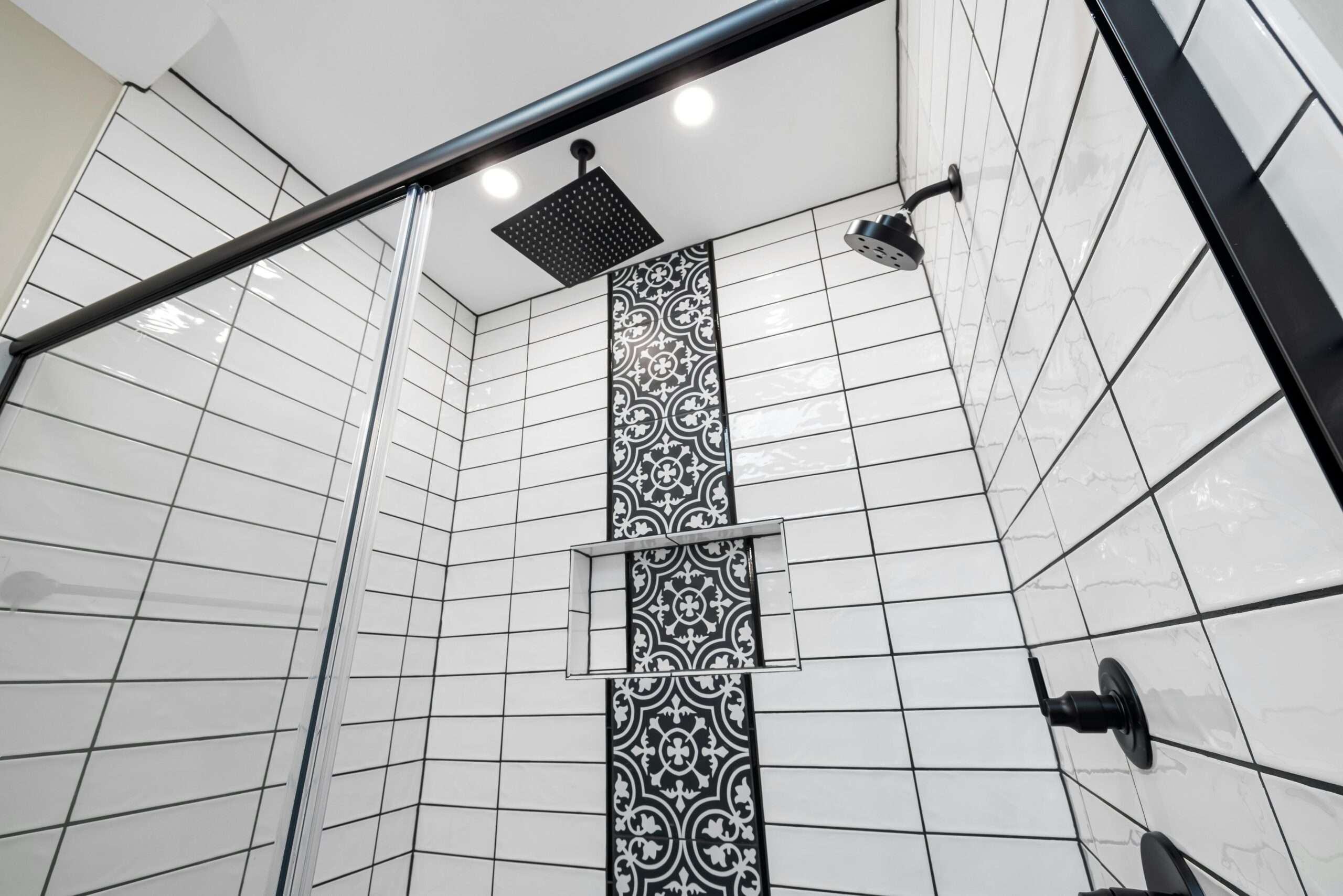
A bathroom deals with more moisture than almost any other room in the house. Between daily showers, splashing water around the sink, and occasional plumbing issues, it’s no surprise that mold and mildew often find their way into these spaces. What many homeowners don’t realize, however, is that some of the most serious mold problems develop where you can’t see them.
When water seeps beneath a bathroom floor, it can remain trapped for weeks or even months. During that time, mold spores may begin to spread beneath tile, vinyl, or laminate flooring, creating hidden damage that often goes unnoticed until the signs become impossible to ignore.
The good news is that most mold issues beneath flooring are preventable. By understanding where moisture comes from and taking a few proactive steps, you can protect your bathroom floor, improve indoor air quality, and avoid expensive repairs down the road.
Why Mold and Mildew Develop Beneath a Bathroom Floor
Mold doesn’t need much to survive. Give it a damp environment, a food source, and enough time, and it will start to grow.
In a bathroom, moisture can find its way beneath the floor through cracked grout, damaged caulking, worn seals, or a hidden leak. Even small amounts of water that repeatedly seep beneath the surface can create ideal conditions for mold growth.
Poor ventilation often makes matters worse. When humidity remains high after showers or baths, surfaces stay damp longer than they should. Over time, this excess moisture can allow mold to develop beneath flooring materials and around structural components.
Certain flooring products are also more vulnerable than others. Porous and absorbent materials tend to hold moisture, while waterproof and non-porous surfaces provide better protection against hidden water intrusion.
Signs There May Be Mold Under Your Bathroom Flooring
One of the biggest challenges with mold in your bathroom is that it often starts out of sight. By the time visible damage appears, the problem may already be affecting the floor system underneath.
Keep an eye out for these warning signs:
- A persistent musty odor that never seems to go away
- Soft or spongy spots on the floor
- Cracked or loose tile
- Discoloration along walls or around fixtures
- Warped vinyl flooring
- Buckling laminate planks
- Black mold appearing near baseboards
- Recurring mildew despite regular cleaning
If you’ve tried to clean mold multiple times but it keeps coming back, there’s a good chance moisture is trapped beneath the flooring rather than on the surface.
Ignoring these symptoms can lead to mold problems that become increasingly expensive to address over time.
Fix Leaks Quickly Before They Turn Into Bigger Problems
A leak is one of the most common causes of mold beneath a bathroom floor. The tricky part is that many leaks aren’t dramatic enough to attract immediate attention.
A loose toilet seal, a dripping water supply line, or a small plumbing connection issue can release enough water to create long-term moisture problems. Because the water often travels beneath flooring or walls, homeowners may not notice anything is wrong until significant damage has already occurred.
It’s a good idea to regularly check:
- Toilets and toilet bases
- Shower enclosures
- Sink plumbing
- Water supply lines
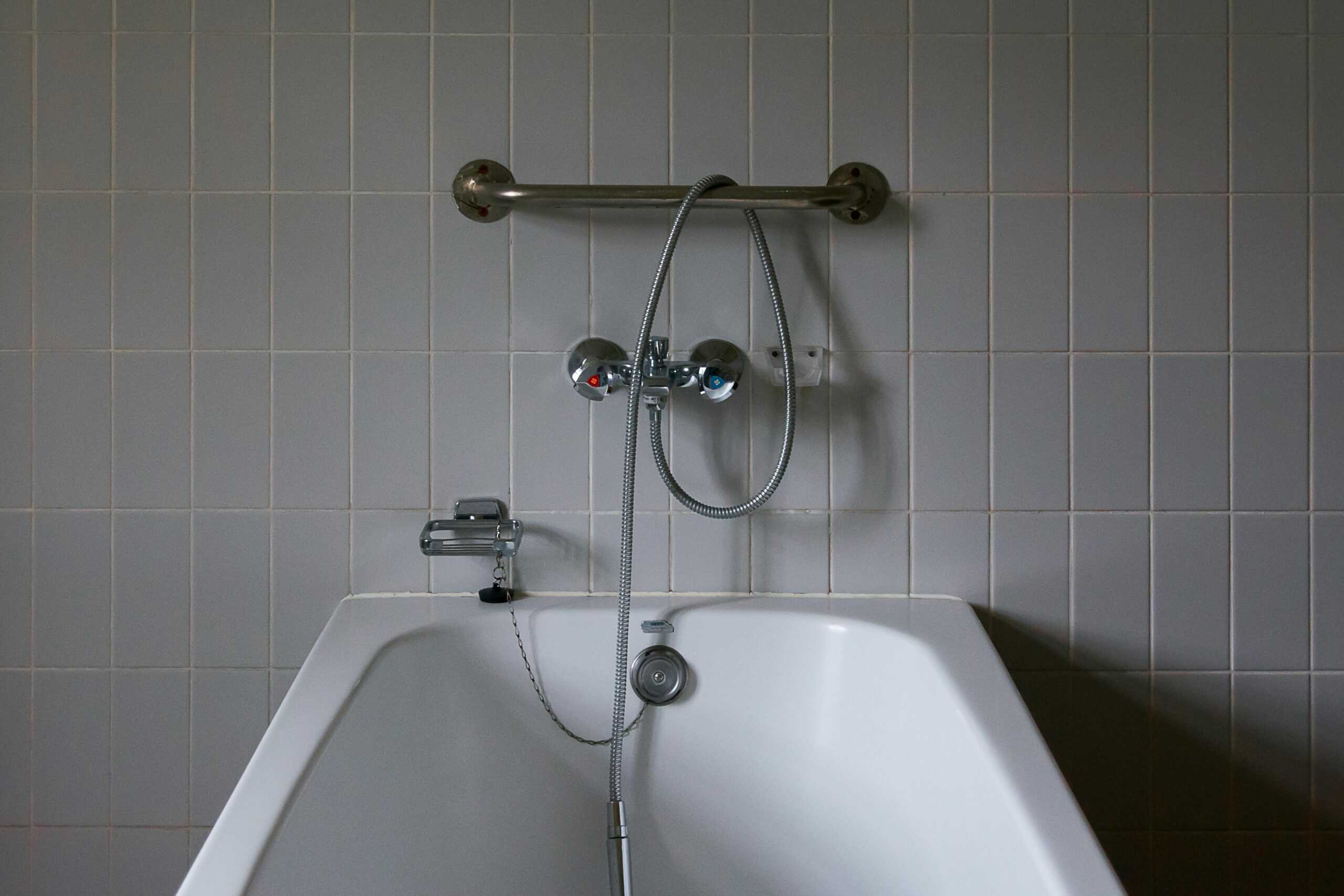
- Tub connections
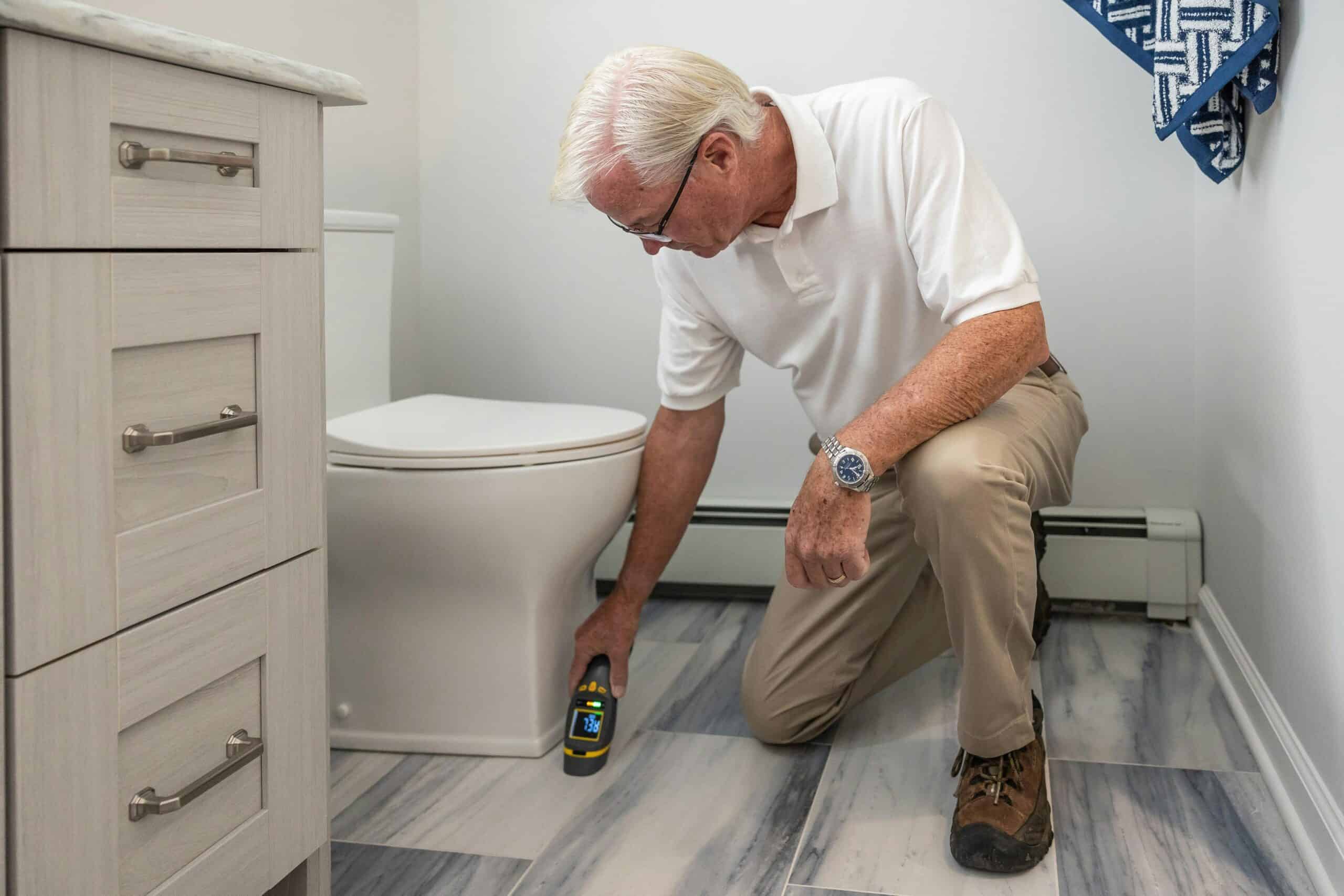
Taking a few minutes to inspect these areas every few months can help prevent mold before it starts. If you suspect hidden moisture, a professional inspector can use specialized equipment to identify trouble spots that aren’t visible to the naked eye.
Keep Moisture and Humidity Under Control
If there’s one thing mold loves, it’s a damp environment with poor airflow.
Controlling humidity levels inside the bathroom is one of the simplest and most effective ways to reduce mold risk. After all, even the best flooring materials can struggle when exposed to constant moisture.
To help manage moisture:
- Run the exhaust fan during and after showers
- Open windows when weather permits
- Wipe up standing water promptly
- Use a dehumidifier if high humidity is a recurring issue
- Regularly check corners and hidden areas for moisture buildup
Poor ventilation allows moisture to linger longer than it should. Over time, that trapped moisture can lead to mold beneath flooring, around fixtures, and even inside surrounding walls.

Choose Flooring Materials Designed for Wet Environments
Not every floor is built to handle the demands of a busy bathroom.
While tile remains one of the most popular choices, it’s important to remember that water can still penetrate damaged grout lines or improperly sealed joints. That’s why installation quality matters just as much as the flooring material itself.
Many homeowners choose waterproof flooring products, such as luxury vinyl, because they offer excellent protection against moisture while remaining easy to maintain.
When selecting flooring for a bathroom, consider options such as:
- Porcelain tile
- Ceramic tile
- Waterproof vinyl
- Engineered waterproof flooring systems
While laminate flooring has improved significantly over the years, it can still be vulnerable if water penetrates the seams. Choosing products specifically designed for wet areas can go a long way toward keeping your bathroom floor protected.
Don’t Overlook Grout, Caulk, and Surface Maintenance
Sometimes the smallest openings create the biggest problems.
Cracked grout, deteriorating caulk, and worn seals can provide easy access for water to reach the layers beneath your floor. Once moisture gets below the surface, mold forms much more easily.
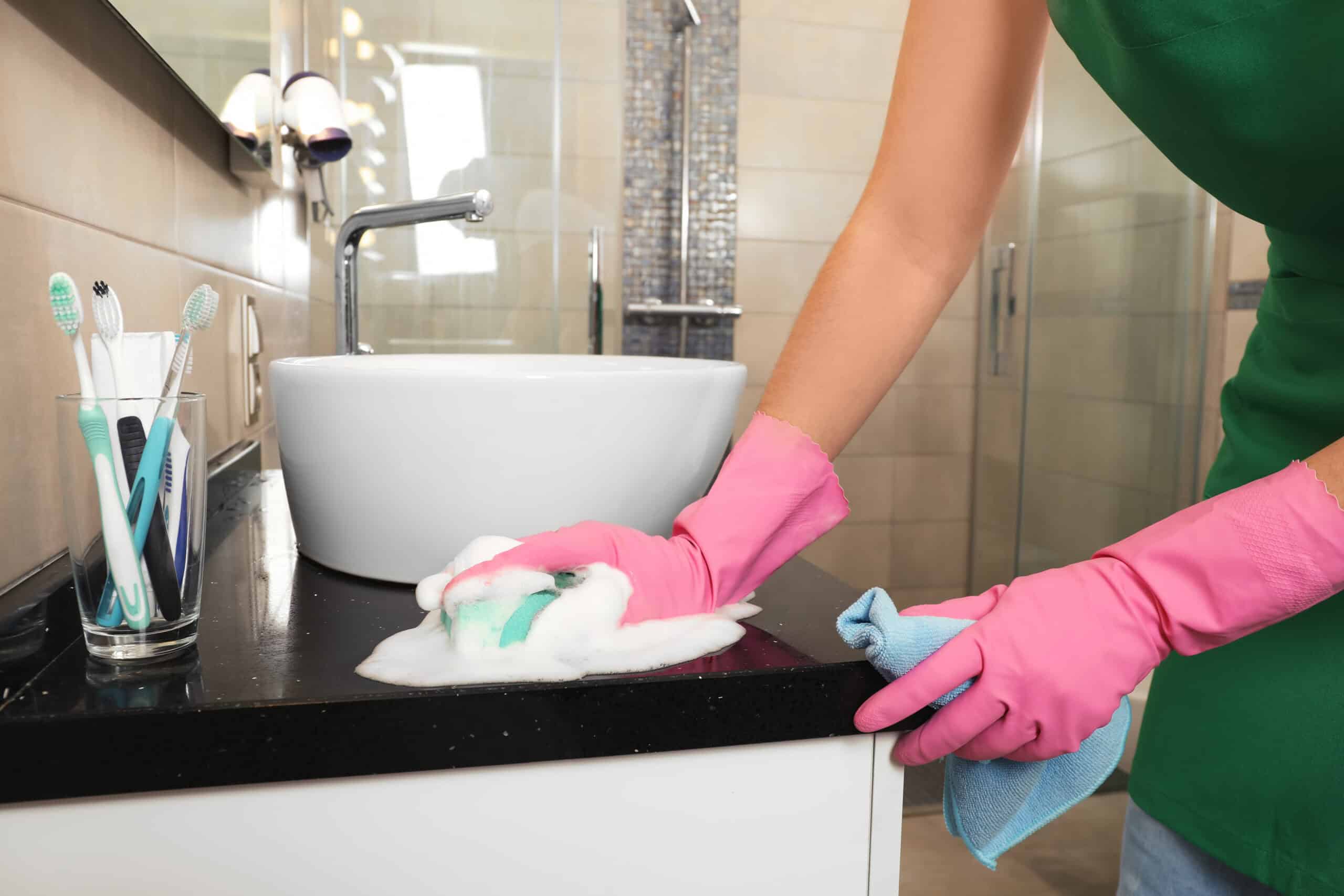
A simple maintenance routine can make a big difference:
- Inspect grout lines regularly
- Repair cracked grout promptly
- Replace aging caulk around showers and tubs
- Seal surfaces when recommended by the manufacturer
- Monitor bathroom tile for chips or cracks
These small tasks may seem minor, but they’re often the best way to prevent water intrusion before it becomes a larger issue.
What to Do If You Discover Mold Under the Floor
If you uncover mold beneath your flooring, the appropriate solution depends on the size of the affected area and the severity of the damage.
Small surface issues may be manageable, but extensive mold growth often requires professional mold removal and remediation. According to guidance from the EPA and the Environmental Protection Agency, addressing the source of moisture is just as important as removing the mold itself.
Many homeowners assume bleach will solve the problem. While bleach may help remove a stain from certain hard surfaces, it isn’t always effective on porous materials where mold can continue growing beneath the surface.
A professional mold assessment can help identify mold spores, determine the types of mold present, and evaluate whether mold remediation is necessary. In severe cases, mold can affect insulation, drywall, and other building materials, potentially leading to health problems and respiratory concerns.
Professional mold specialists can also evaluate the spore concentration and recommend the safest course of action based on the size of the affected area.
How a Bathroom Remodel Can Help Prevent Future Mold Issues
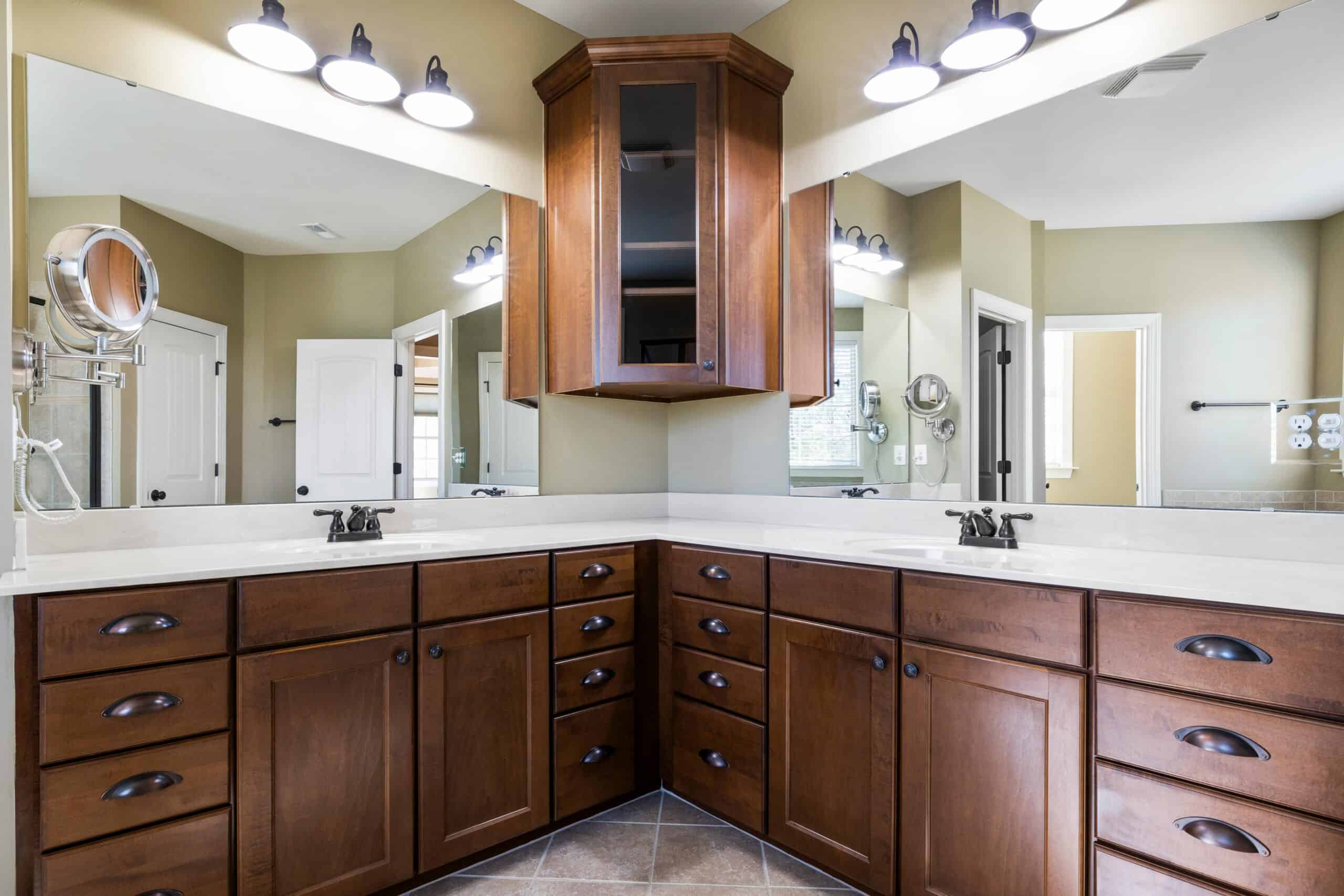
Older bathrooms often contain hidden vulnerabilities that increase the risk of moisture intrusion. Aging flooring, worn grout, outdated fixtures, and inadequate ventilation can all contribute to recurring mold issues.
A professionally planned remodel gives homeowners the opportunity to address these weaknesses while upgrading the appearance and functionality of the space.
For homeowners throughout northeastern Oklahoma, Reeves Remodeling has built a reputation for creating beautiful, practical bathrooms designed for everyday living. The veteran-owned company specializes in tub conversions, shower conversions, custom vanities, flooring, cabinetry, and ADA-compliant solutions. Their team works closely with homeowners to create personalized designs that match both lifestyle needs and budget goals.
By incorporating modern waterproof materials and professional installation practices, a bathroom renovation can help reduce the risk of future mold problems while improving comfort and long-term durability.
Protect Your Bathroom Floor Before Hidden Moisture Causes Damage
Most mold issues don’t start with a major flood or plumbing emergency. More often, they begin with a small leak, a cracked grout line, or excess moisture that lingers a little too long.
Paying attention to early warning signs, maintaining proper ventilation, and choosing quality flooring materials can help keep your bathroom mold-free and protect your investment for years to come.
If your current bathroom is showing signs of age, water damage, or persistent moisture issues, it may be time for an upgrade. Reeves Remodeling helps homeowners throughout northeastern Oklahoma transform outdated bathrooms into beautiful, functional spaces with expertly installed flooring, custom features, and modern designs. To schedule a free in-home consultation, visit https://reevesremodeling.com/ or call (918) 264-8785. A well-designed bathroom isn’t just about appearance. It’s about creating a healthier, more durable space that gives you lasting peace of mind.